

Dua e Tawassul In the Presence of the Ahlul Bayt (A.S):
Introduction:
The Light and Power of Dua e Tawassul
Every believer seeks closeness to Allah (SWT), especially during moments of trial and hope. Among the many doors to His clemency, one shines with unique intensity — Dua e Tawassul.
This sacred supplication forms a chain of love between the believer and Allah, grounded in devotion to the Prophet Muhammad (S.A.W) and his purified family, the Ahlul Bayt (A.S). For centuries, Muslims have gathered together every Tuesday night to recite Dua e Tawassul, their hearts bound in remembrance, gratitude, and longing for Allah’s blessings.
By these words of this dua, we are reminded that Allah is the best source of help — but He has blessed some souls, the 14 Masomeen (A.S), as medium of His mercy and compassion.
The Meaning and Origin of Dua e Tawassul
The word Tawassul in Arabic means “to ask for a medium of approach.” It refers to the desire of the believer to approach Allah by requesting the intercession of those whom He most favors.
Dua e Tawassul is ascribed to the eighth Imam Ali ibn Musa al-Ridha (A.S), who taught this prayer to a poor believer. The dua appears in Mafatih al-Jinan and other reliable books of supplication.
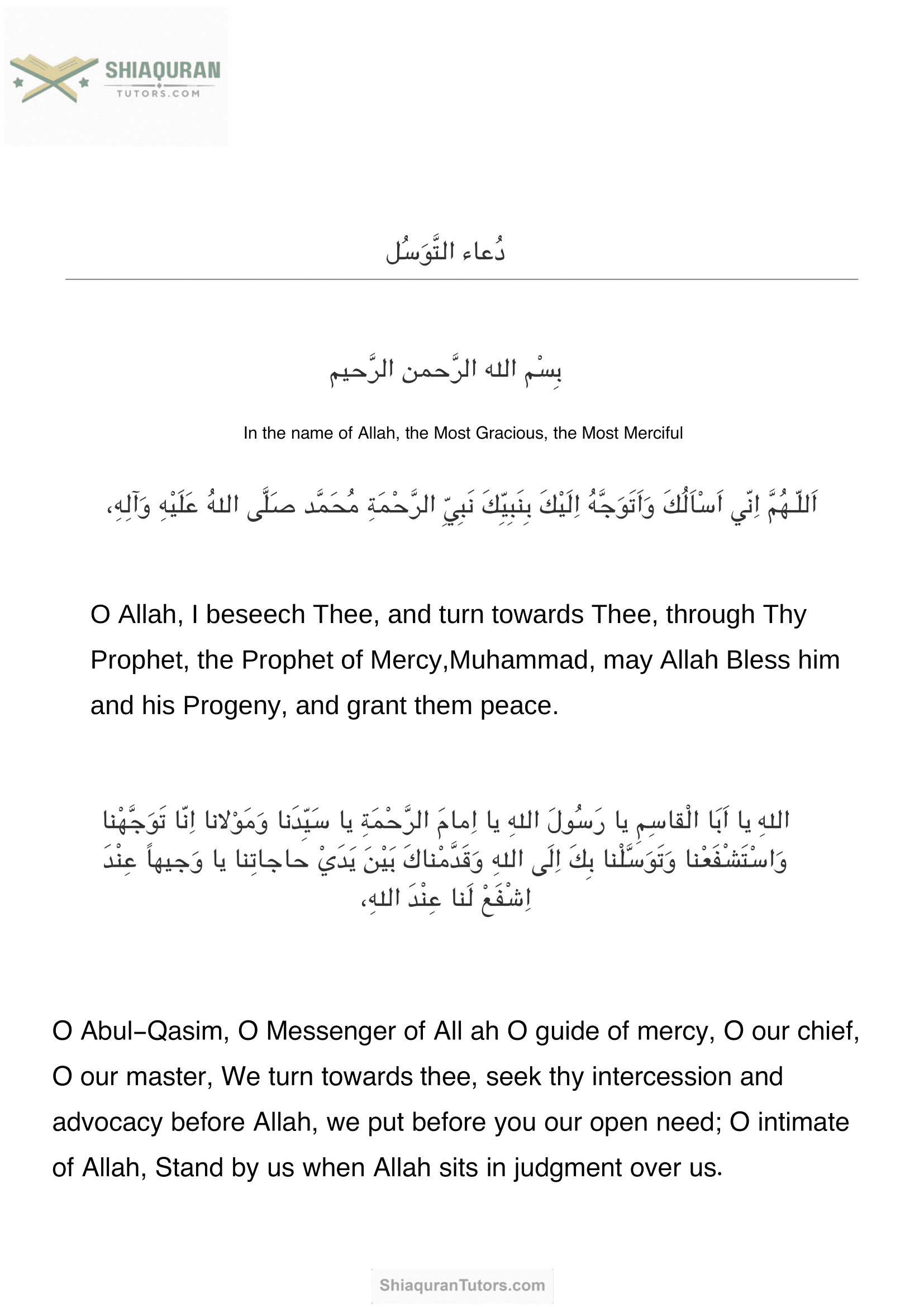
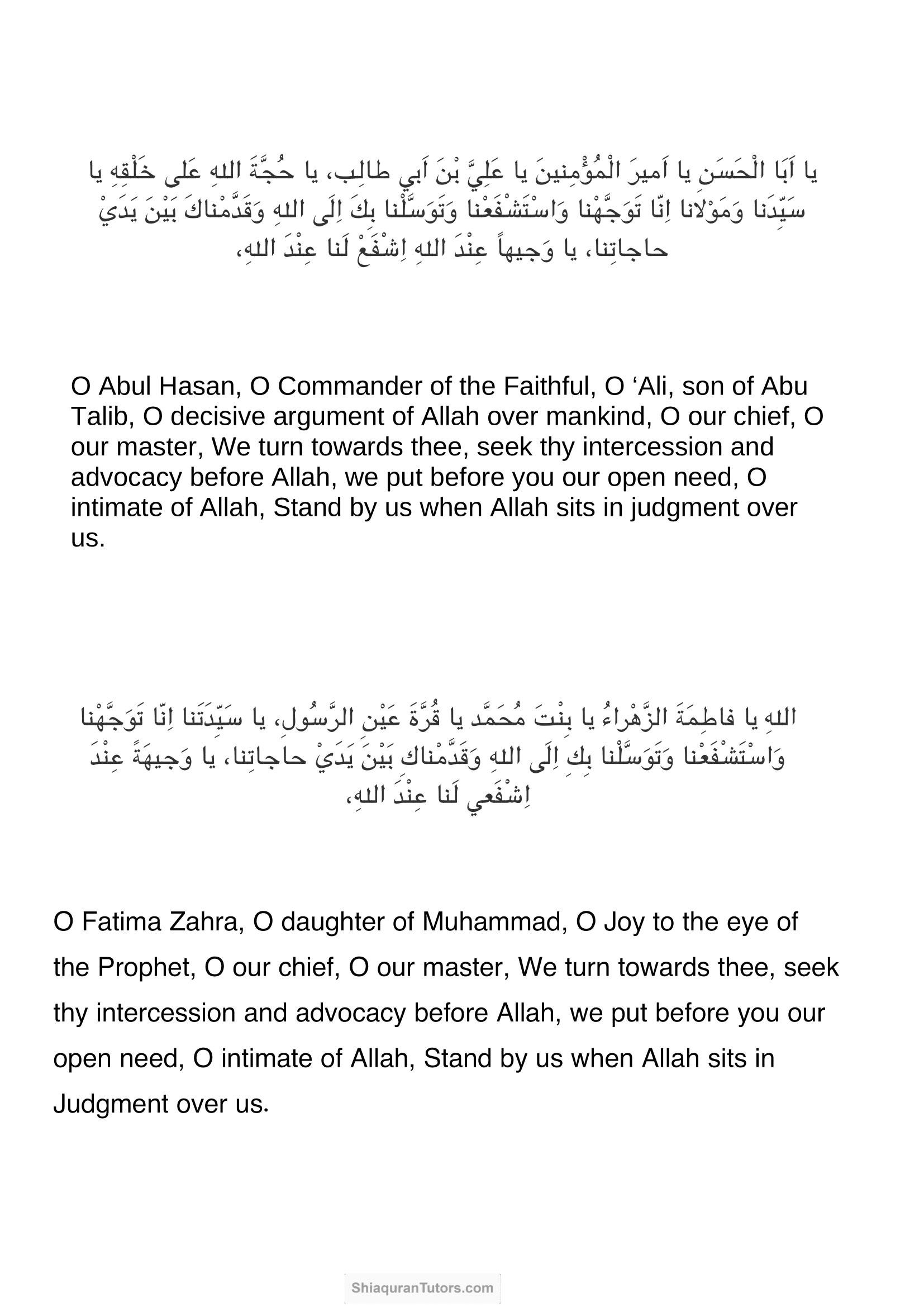
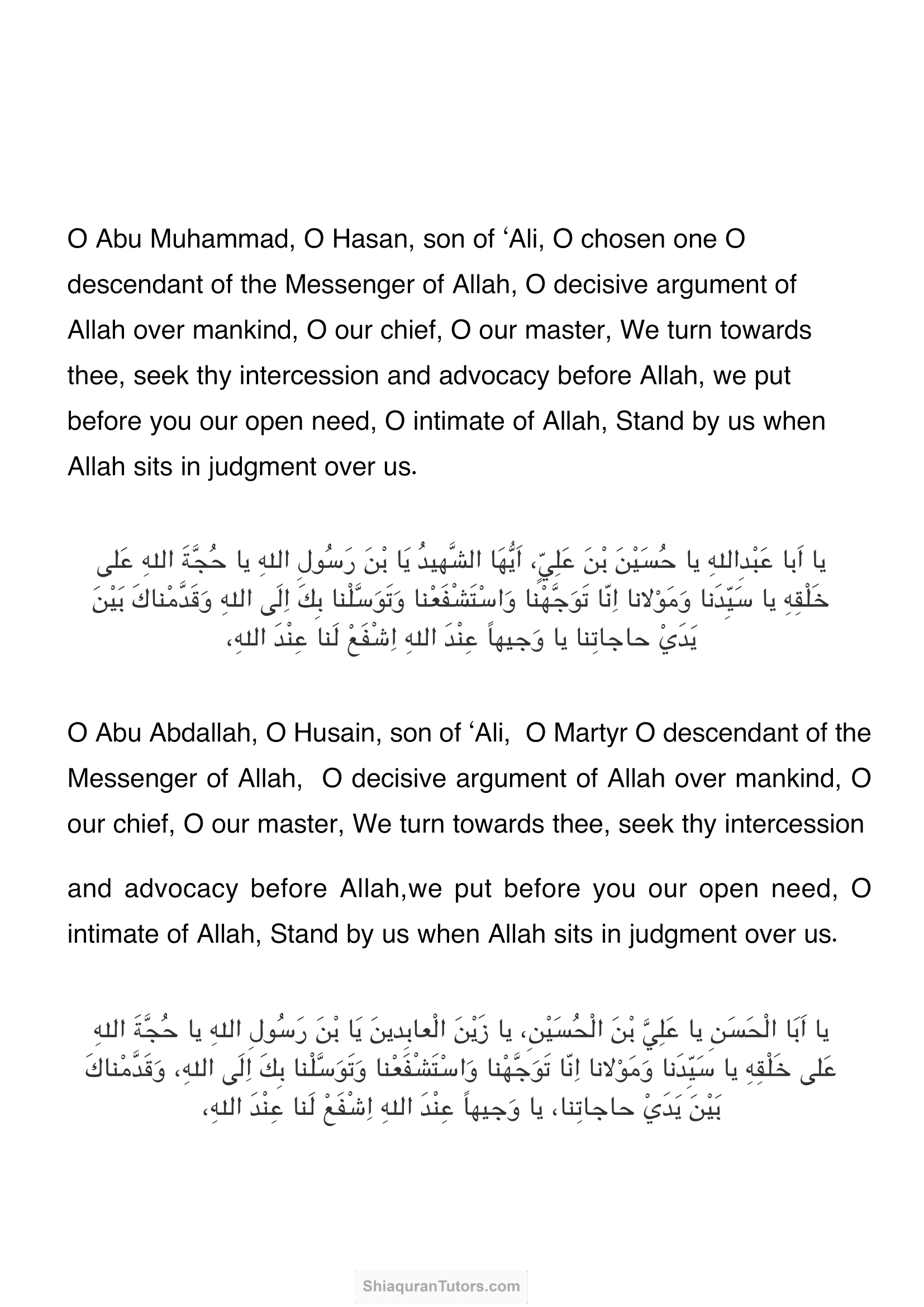
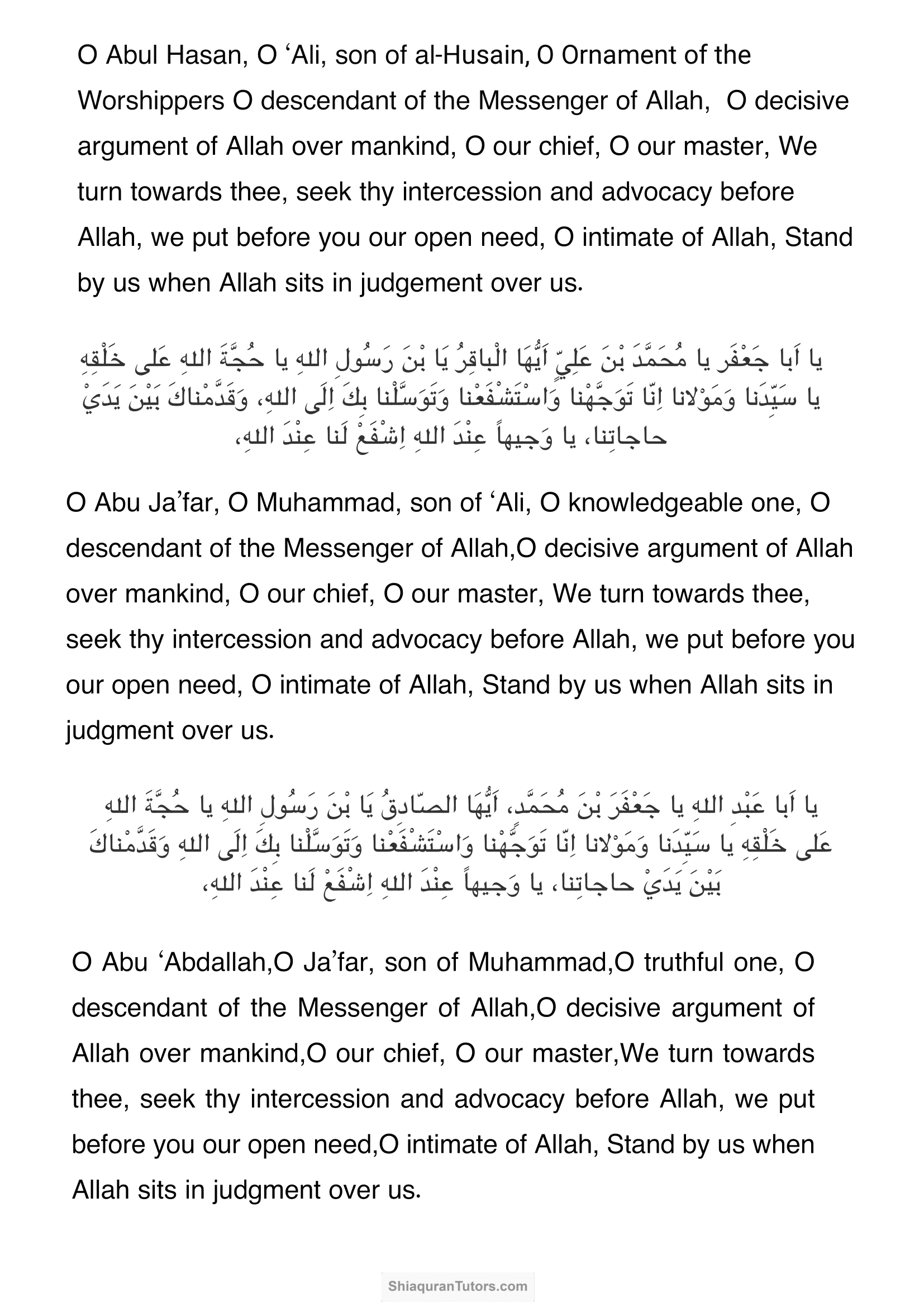
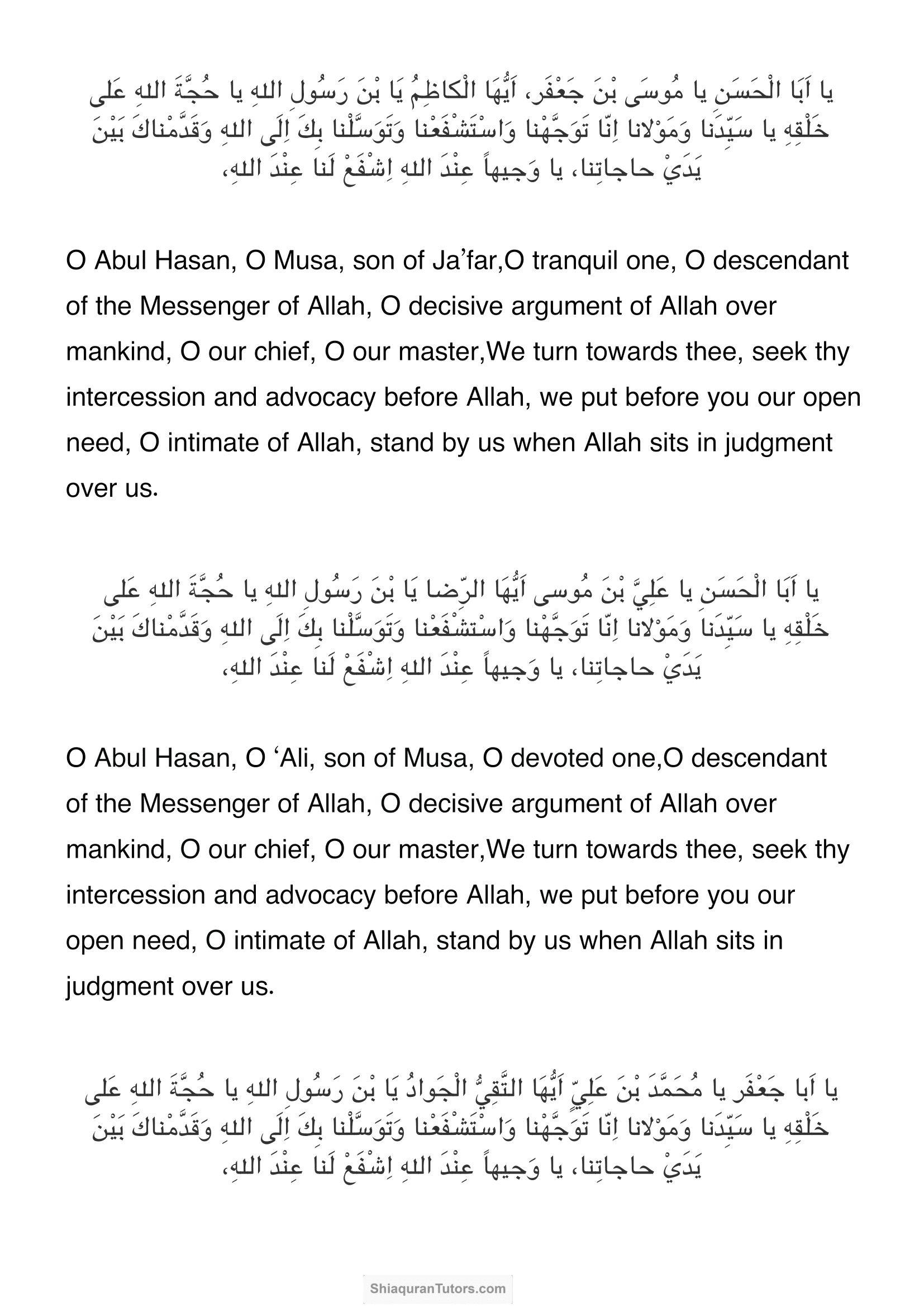
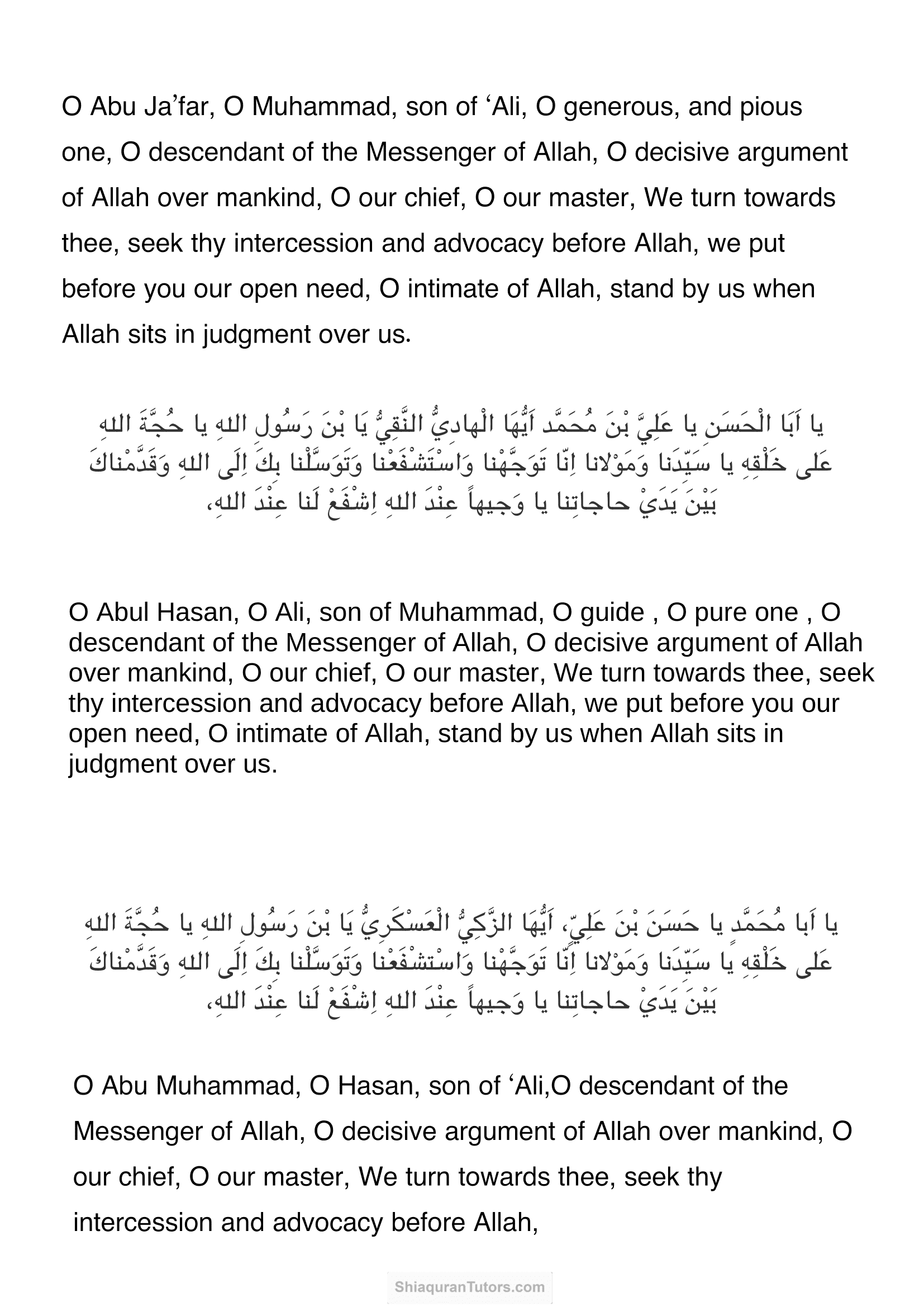
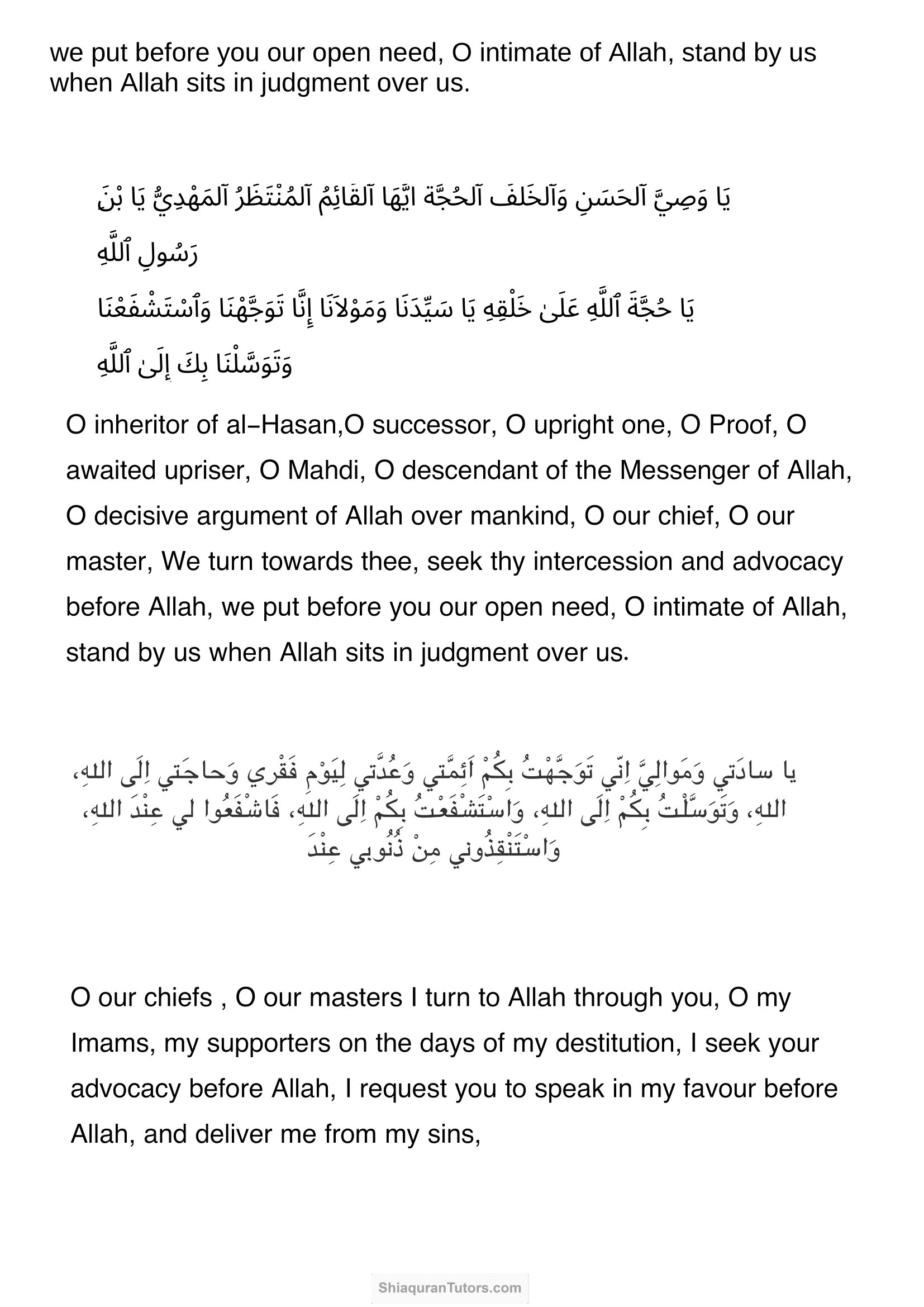
In this powerful dua, the believer calls upon all of the Fourteen Infallibles (A.S) — the Prophet Muhammad (S.A.W), Lady Fatimah (A.S), and the Twelve Imams (A.S) — one by one. Their names are called upon in humility, acknowledging their closeness to Allah and seeking their intercession.
“O our masters and leaders, we pray to Allah through you, we beg your mediation with Him, and we present you before our needs.”
This is the very nature of Tawassul itself — coming to Allah through those whom He has cleansed and whom He has made close. Learn more about the origins to Dua e Tawassul through our Islamic Course.
The Spiritual Importance of Dua e Tawassul in Islam
Spiritually, Dua e Tawassul is a spiritual experience — a signpost that our association with Allah (SWT) is strengthened by humility, love, and hope in His chosen servants.
As much as we beg righteous individuals to pray on our behalf, Tawassul allows us to beg the Prophet (S.A.W) and his blessed family members (A.S) to pray on our behalf.
Allah Himself guides believers in the Qur’an:
“Oh you who believe! Fear Allah and seek the means (wasilah) unto Him.” — Qur’an 5:35
This is the verse that’s the foundation of the concept of Tawassul. It teaches us that seeking mediation through Allah’s favorites is not distance, but closeness — for love for the Ahlul Bayt (A.S) is love for Allah Himself.
The Ahlul Bayt (A.S) and Dua e Tawassul
The Ahlul Bayt (A.S) — the Prophet Muhammad (S.A.W), Lady Fatimah (A.S), and the Twelve Imams (A.S) — are the epitome of Allah’s mercy. They are not exclusive sources of help but imitations of the boundless compassion of Allah.
The Prophet (S.A.W) said:
“The resemblance of my Ahlul Bayt is the Ark of Noah; whoever gets on board it is delivered, and whoever deserts it will be drowned.“
Through reciting Dua e Tawassul, the faithful make a redeclaration of allegiance to this Ark of Salvation. Each recital renews a covenant of the spirit — an oath to walk in their footsteps of justice, faith, and patience.
The Spiritual Benefit of Reciting Dua e Tawassul
The benefits of Dua e Tawassul are much more than words. Its emotional and spiritual benefits have been felt by generations of Muslims throughout history:
- Fulfillment of Needs: Many testify to how, if one recites this dua with sincerity, their problems dissipate and their prayers are answered.
- Relief from Distress: Gives peace to troubled minds, reminding the Muslim believers of the nearness of Allah’s mercy.
- Deeper Bond with the Ahlul Bayt (A.S): Enhances love and understanding of their roles as guides and intercessors.
- Guarding from Harm: Works as a spiritual shield during times of trials, illness, or doubt.
- Renewed Hope and Peace: Reclaims inner calm and awakens faith in Allah’s will.
Dua e Tawassul Lessons and Learnings
Other than its recital, Dua e Tawassul teaches the believers how to live — modestly in Allah’s presence, grateful for guidance, and kind to other people.
Principal Learnings:
- Dependence on Allah Alone: We come to the Ahlul Bayt (A.S) as mediators, but we recognize that all mercy is from Allah.
- Faith Through Love: Tawassul teaches us love for the Prophet (S.A.W) and his family (A.S), solidifying our spiritual unity as Muslims.
- Hope in Despair: When we feel fear or lost, reciting Dua e Tawassul reminds us that divine support is near.
- Patience and Gratitude: Through contemplation on the trials of the Ahlul Bayt (A.S), we achieve patience and gratitude.
The closer one adheres to the spirit of Dua e Tawassul, the more life becomes an image of faith, peace, and remembrance of God.
How Dua e Tawassul Brings Comfort and Divine Assistance in Day-to-Day Life
Most believers have touching personal stories regarding Dua e Tawassul. Some feel cured of sickness, others are led out of adversity, and most find new life.
Examples of Spiritual Comfort:
- A mother praying for the health of her child is at peace after nights spent doing Dua e Tawassul, her heart fortified with faith even before the healing comes.
- A young pupil beset by uncertainty repeats the dua prior to exams and discovers tranquility substituting for worry.
- A family troubled by hardship meets every Tuesday to recite it collectively — and sees doors of possibility open in the most surprising ways.
These moments remind us that even though Dua e Tawassul is no “magic pill,” it opens up the heart to God’s mercy and forbearance. Its actual miracle lies in the way it transforms the believer — fear becomes hope, weakness becomes confidence, and despair becomes peace.
Reciting Dua e Tawassul properly
Dua e Tawassul may be recited at any time, though it is most beloved on Tuesday nights. It is at that hour that communities come together, their voices merged in memory and expectation.
Recommended Steps:
- Make Wudu (ablution) and find a clean, peaceful place.
- Sit in the presence of the Qiblah and begin with Salawat on the Prophet (S.A.W) and his descendants (A.S).
- Recite Dua e Tawassul in slow reflection and reflect upon each blessed name.
- Pausing to mention each one of the Masomeen (A.S), feel their divine presence.
- Finish with genuine Salawat and ask Allah for your personal wants.
This exercise transforms ordinary prayer into a spiritual dialogue of love and obedience.
Conclusion:
The beauty of Dua e Tawassul is that it has an timeless significance: Allah’s mercy is unlimited, and His beloved ones are a manifestation of that mercy. Invoking the 14 Masomeen (A.S) is invoking the light that leads us to Allah Himself.
Each time we recite this dua, it rejuvenates our spiritual self — as servants of Allah and followers of His chosen ones. It reminds us that faith is not just belief, but a living faith of remembrance and love.

FAQs About Dua e Tawassul
Q1. What is Dua e Tawassul?
It is a dua to receive Allah’s mercy through intercession from the Prophet Muhammad (S.A.W) and the Ahlul Bayt (A.S).
Q2. Who composed Dua e Tawassul?
It is attributed to Imam Ali ibn Musa al-Ridha (A.S) and kept safe through authentic sources.
Q3. At what time should I recite Dua e Tawassul?
It is recommended on Tuesday nights but may be recited anytime a believer seeks nearness to Allah (SWT).
Q4. Is Dua e Tawassul valid in Islam?
Yes. The Qur’an invites individuals to find means (wasilah) to achieve Allah (5:35). Tawassul is a blessed means to do so.
One Response