
Introduction to Karbala: True Story of the Battle & Imam Hussain (A.S.)
Karbala is not only a historical location. It is a symbol of truth, sacrifice, and unwavering moral courage. When people search for this, they often want to understand the battle, the story, and why the stand of Imam Hussain (A.s) continues to shape faith and conscience. This blog explains where is, what happened there, the meaning of the war, and how the legacy of Husayn ibn Ali (A.s) remains alive today, especially during Muharram 2026 and through remembrance such as Ziyarat e Ashura.
Where Is Karbala?
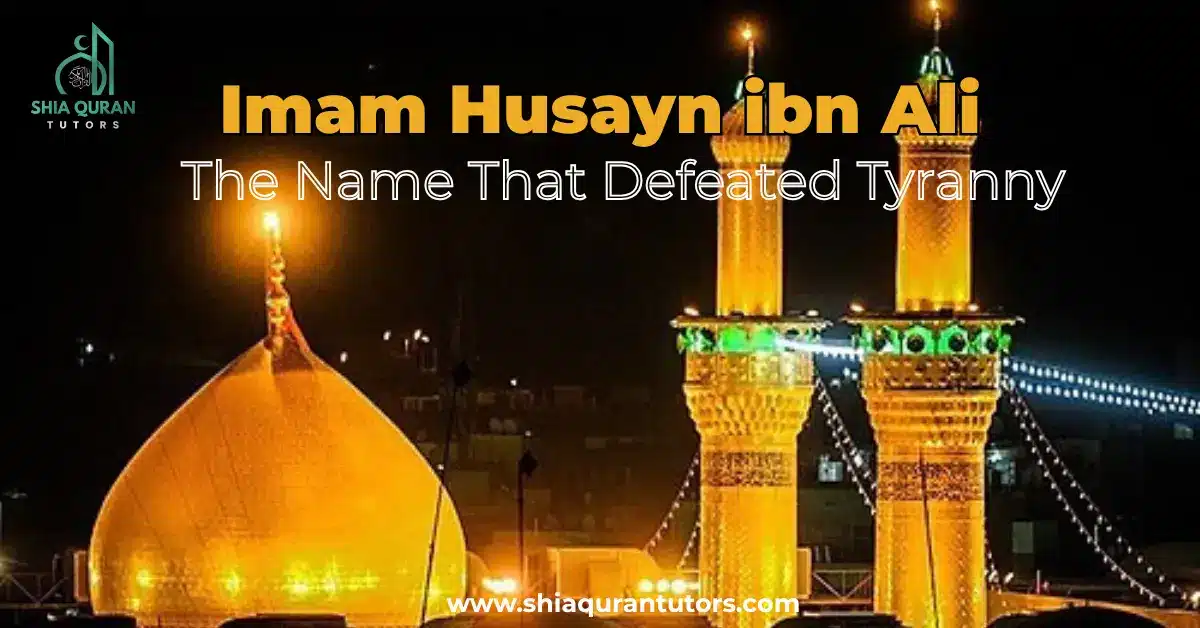
This is a city located in present-day Iraq, southwest of Baghdad, near the Euphrates River. It is the place where Imam Hussain (A.s) and his companions were martyred on the 10th day of Muharram in the year 680 CE. Today, this is a center of remembrance and reflection. Millions visit the city to reconnect with the message born from sacrifice and justice.
The Karbala Story: What Happened in Karbala?
The story begins when Imam Hussain (A.s) refused to give allegiance to a ruler whose leadership contradicted Islamic values. Imam Hussain (A.s) did not seek power. He sought to protect faith from distortion. Knowing the risks, he traveled toward this place with his family and a small group of loyal companions. The journey itself was a message: truth is not abandoned, even when the path is difficult.
Historical Background Before the Battle of Karbala
To fully understand this, it is important to look at the events that led to the battle. After the passing of the Prophet, leadership gradually shifted away from its moral foundations. Over time, political authority began to dominate religious responsibility. Imam Hussain (A.S.) observed that Islamic values were being openly compromised. Justice, accountability, and ethical leadership were no longer priorities. His refusal to give allegiance was not sudden. It was rooted in deep concern for the future of faith. This historical background explains why it was inevitable.
Karbala and the Concept of Martyrdom
There, martyrdom was not accidental. It was a conscious sacrifice for divine truth. Imam Hussain (A.S.) chose martyrdom to awaken the conscience of the community. Martyrdom in there represents life with purpose, not death without meaning. It reminds believers that moral survival is more important than physical survival. This understanding separates it from ordinary historical conflicts.
The Battle of Karbala Explained
This battle was not a battle of armies. It was a confrontation between justice and injustice. Imam Hussain (A.s)’s group was small and surrounded. They were denied water and pressured to surrender their principles. Despite this, Imam Hussain (A.s) refused to compromise. On the day of Ashura, Imam Hussain (A.s) and those who stood with him were martyred. Their sacrifice transformed it into an eternal symbol of resistance against oppression.
Imam Hussain (A.s) and the Karbala War
The Imam Hussain (A.s) this war represents a conscious moral decision. Imam Hussain (A.s) knew silence would grant him safety. He chose instead to stand openly for truth. His decision shows that real leadership is rooted in integrity, not authority. This war teaches that preserving faith sometimes requires sacrifice, not negotiation.
Why Imam Hussain (A.S.) Refused Allegiance
The refusal of Imam Hussain (A.S.) was a principled decision. Allegiance would have meant approving injustice and moral corruption. Silence would have legitimized wrongdoing. Imam Hussain (A.S.) made it clear that leadership must represent divine values, not personal power. His stand was not about rebellion. It was about responsibility. This refusal became the moral foundation of the Karbla stand.
Imam Hussain (A.s) Karbala: Why His Stand Matters
When people speak of Imam Hussain (A.s) Karbala, they are referring to a timeless example of moral courage.
His stand teaches:
- Justice over convenience
- Faith expressed through action
- Resistance against oppression
- Patience under extreme hardship
These lessons remain relevant in every era.
Husayn ibn Ali (A.s): Character and Moral Authority
Husayn ibn Ali (A.s) was known for honesty, compassion, and responsibility. His actions in there reflected a lifetime of devotion to divine guidance. He did not provoke conflict, but he refused to legitimize injustice through silence. His legacy is not limited to history. It lives through values.
The Role of Family and Companions in Karbala
The presence of family members and companions there reflects the depth of commitment to truth. They were fully aware of the danger, yet they chose to stand with Imam Hussain (A.s). Each companion represented loyalty, sacrifice, and faith. Their actions demonstrated that there was not an individual stand, but a collective moral stance. Their sacrifice remains a lesson in courage and devotion.
Hasan ibn Ali (A.s) and the Broader Family Legacy
The story of the land of martyrdom is connected to Hasan ibn Ali (A.s), the elder brother of Imam Hussain (A.s). Hasan ibn Ali (A.s) chose peace when it protected the community. Imam Hussain (A.s) chose sacrifice when faith itself was at risk. Together, their lives show that responsibility takes different forms depending on circumstances. This balance deepens the understanding of the sacred land.
Muharram and the Memory of Karbala
The month of Muharram is inseparable from that sacred place. It is a time of remembrance, reflection, and moral awareness. As Muharram 2026 approaches, believers will once again recall the sacrifice of the land of martyrdom and reflect on its meaning in a world still facing injustice. Muharram is not only about mourning. It is about awakening conscience.
How Karbala Shapes Faith During Muharram 2026
As Muharram 2026 approaches, the sacred land remains a source of guidance. Believers reflect on its message amid modern injustice, confusion, and moral compromise. Muharram is not only remembrance. It is renewal. This place teaches believers to reassess their values and realign with justice. This reflection makes Muharram a living spiritual experience.
Ziyarat e Ashura and Karbala
Ziyarat e Ashura is one of the most profound forms of remembrance connected to the land of martyrdom. Through Ziyarat e Ashura, believers express loyalty to the path of Imam Hussain (A.s) and disassociation from injustice. It transforms historical memory into moral commitment. This remembrance keeps the sacred land alive beyond time and place.
Ziyarat e Ashura as a Continuation of Karbala
Ziyarat e Ashura is not separate from the land of martyrdom . It is its continuation. Through Ziyarat e Ashura, believers declare loyalty to Imam Hussain (A.S.) and disassociation from injustice. It keeps the sacred land stance alive in words, intention, and action. This recitation transforms history into present-day commitment.
Spiritual Lessons from the This Battle
This battle offers deep spiritual lessons:
- Faith requires action
- Patience strengthens belief
- Sacrifice purifies intention
- Justice demands courage
These lessons are not limited to Ashura. They apply to daily life, personal struggles, and moral choices.
Why Karbala Still Matters Today
This matters because injustice did not end with history.
The message of that sacred place reminds people to:
- Stand for truth
- Reject oppression
- Act with integrity
- Remain patient during trials
This speaks to every generation facing moral choices.
Karbala as a معيار (Standard) of Truth and Falsehood
This established a clear standard between truth and falsehood. It showed that numbers do not define righteousness, and power does not define legitimacy. Imam Hussain (A.S.) stood with very few supporters, yet his position remains morally victorious. This teaches that standing alone for truth is better than standing with injustice. This principle continues to guide ethical decision-making.
Common Misunderstandings About the this Battle
Some view this as a political conflict alone. In reality, it was a moral confrontation.
This represents:
- Truth over survival
- Justice over power
- Faith over fear
Understanding this preserves its depth and purpose.
Reflecting on that sacred place in Modern Times
Every era presents moments similar to this, where silence feels safer than truth.
This asks one question again and again:
Will you stand for justice, even when it costs you comfort?
This question makes کربلا timeless.
Final Thoughts
This is a turning point in moral history. The battle of the land of martyrdom , the sacrifice of Imam Hussain (A.s), and the legacy of Husayn ibn Ali (A.s) continue to guide hearts toward justice and clarity. As Muharram 2026 approaches, remembering this is not only about the past. It is about applying its lessons with courage, patience, and unwavering commitment to truth in everyday life.
6 Responses