

Essential Guide to Ziyarat e Ashura: Meaning, History, and Daily Practice
I still remember the first time I sat down to recite ziyarat e ashura in its entirety. It was a humid evening in the month of muharram, and the air felt heavy with the weight of history. I was a young student then, struggling to find a way to connect with the tragedy of Karbala beyond the usual lectures. A mentor handed me a small, weathered book and told me that this recitation was more than just words. It was a “spiritual compass.”
That evening changed my perspective. I found that ziyarat e ashura is not merely a historical account. It is a declaration of loyalty and a refusal to remain neutral in the face of injustice. In my years of practice and study, I have seen how this prayer provides solace to the grieving and clarity to the confused. If you are looking to deepen your bond with the family of the Prophet (PBUH), this guide outlines the nuances and etiquette you need.
What is Ashura and Why Does it Matter?
To grasp the depth of the ziyarat, we must first answer: what is ashura? The word itself stems from the Arabic root asharah, which means ten. Simply put, ashura meaning refers to the tenth day of the month. In the Islamic lunar calendar, this falls on the 10th of muharram.
But what is ashura day in the hearts of millions? It is a day defined by both triumph and tragedy. For some, it marks the day Prophet Musa (AS) led the Israelites across the Red Sea to escape the tyranny of Pharaoh. For others, it is the solemn anniversary of the martyrdom of Imam Hussain (AS), the grandson of Prophet Muhammad (PBUH), on the plains of Karbala.
Historical Context of the Day
The Deliverance of Musa (AS): A day of gratitude and fasting.
The Landing of Nuh’s Ark: Traditions suggest the ark came to rest on Mount Judi on this date.
The Repentance of Adam (AS): The day his forgiveness was accepted.
The Stand of Karbala: The pivotal event where Imam Hussain (AS) sacrificed his life to preserve the core values of Islam.
When is Ashura?
The date shifts every year on the Gregorian calendar. In the current Islamic year of 1447 AH, we have already passed the date. However, looking ahead to the upcoming Hijri year 1448 AH, the day will fall in late June. Specifically, for those asking when is ashura, it is expected to commence on the evening of June 25 and conclude on June 26 of the current calendar year.
The Origins of Ziyarat e Ashura
The text of ziyarat e ashura reached us through a chain of narrators that traces back to the fifth Imam, Muhammad al-Baqir (AS). He taught this specific visitation to his companion, Alqamah ibn Muhammad al-Hadrami. The Imam promised that anyone who recites this prayer—whether near the shrine in Karbala or from their own home—would receive the rewards of those who stood with the Imam on the day of his sacrifice.
As a practitioner, I have found that the lineage of this prayer adds to its authority. It is a “Hadith-e-Qudsi,” meaning the scholars believe its essence was communicated by the Divine to the Prophet and then through the Imams.
The Core Philosophy: Tabarra and Tawalla
One challenge I often see beginners face is the presence of “curses” within the text. To an outsider, this might seem harsh. However, in the context of ziyarat e ashura, these are not insults. They represent Tabarra—the act of disassociating oneself from oppression and those who perpetuate it.
Conversely, the salutations represent Tawalla—showing love and allegiance to the righteous. You cannot truly love justice without hating tyranny. This duality is the heartbeat of the prayer. When I recite these lines, I am not just looking at the past. I am asking myself: Where do I stand today?
The "Hundred Curses" and "Hundred Salutations"
In its most complete form, the ziyarat includes a section that the reciter repeats one hundred times. While this can take over an hour, the meditative quality of the repetition is where the spiritual shift happens. If you are short on time, many scholars suggest that reciting the specific phrases once while intending the reward of a hundred is acceptable, though the full version is preferred for specific spiritual milestones.
Ashura Meaning and Its Deeper Message
The Ashura meaning goes far beyond a date on the Islamic calendar. It symbolizes dignity, justice, and resistance against oppression. Ashura teaches that faith is not limited to words. It requires action, courage, and moral clarity, even when the cost is high. The message of Ashura continues to guide believers in every era.
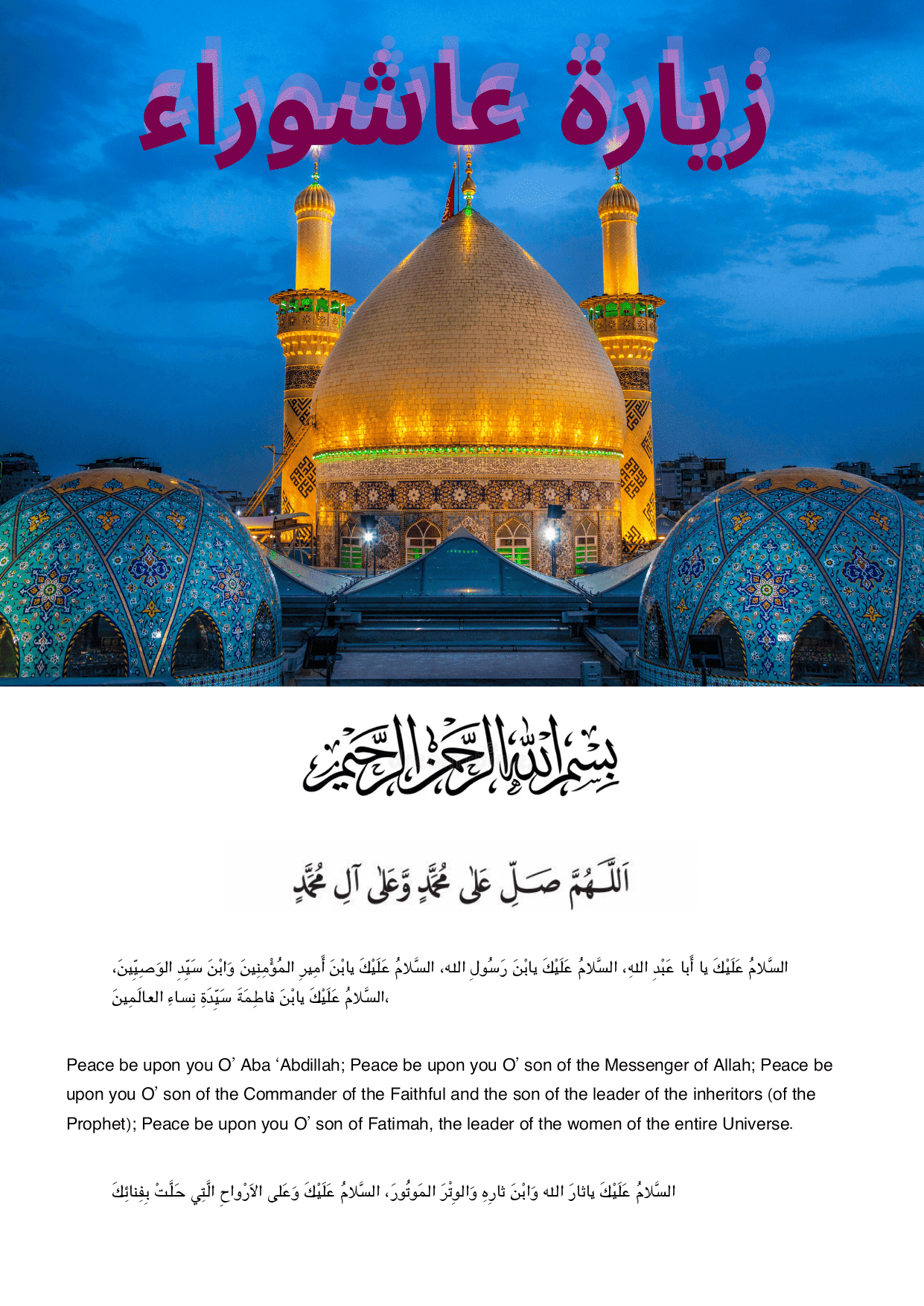
زیارت عاشورا in Arabic)
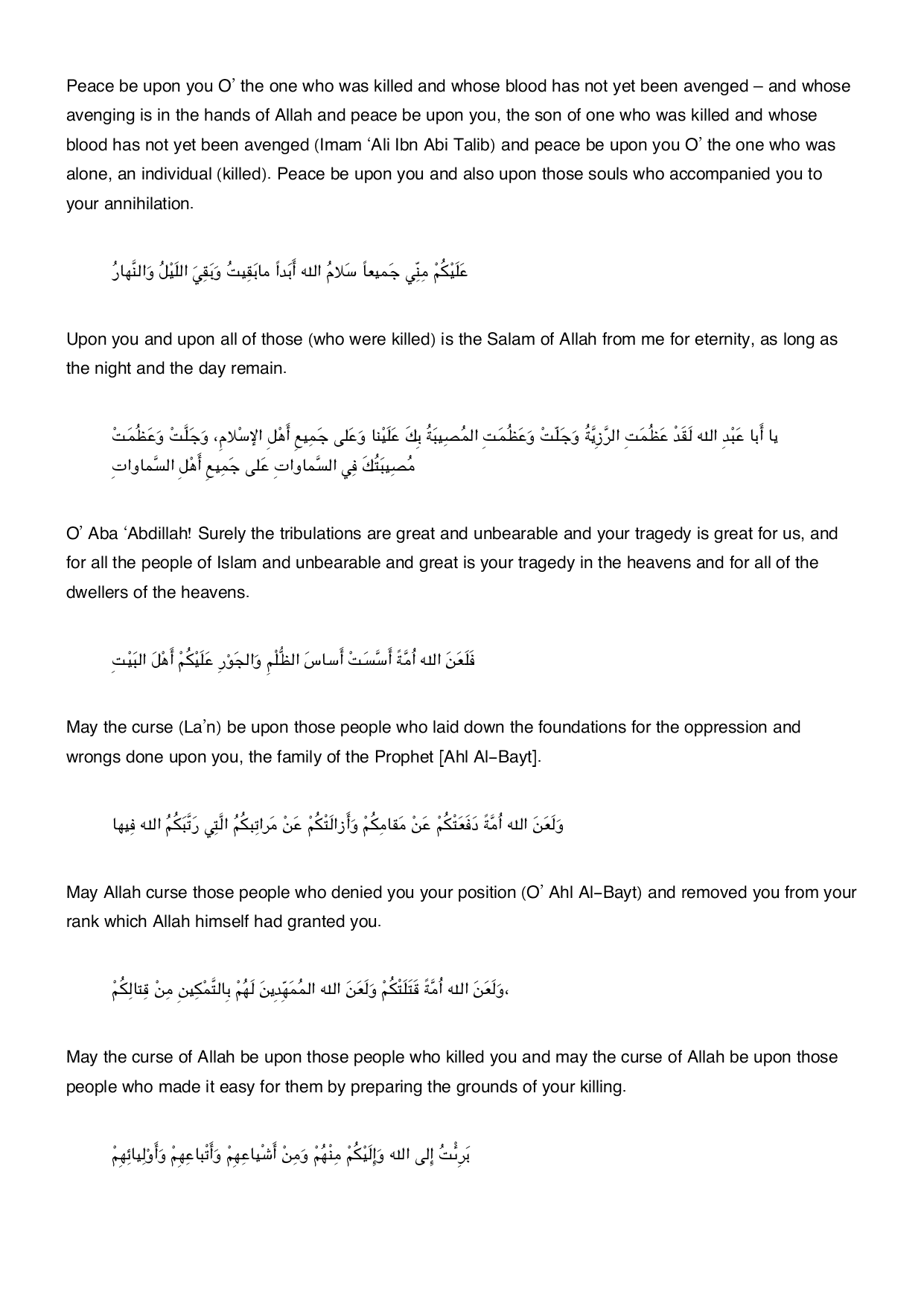
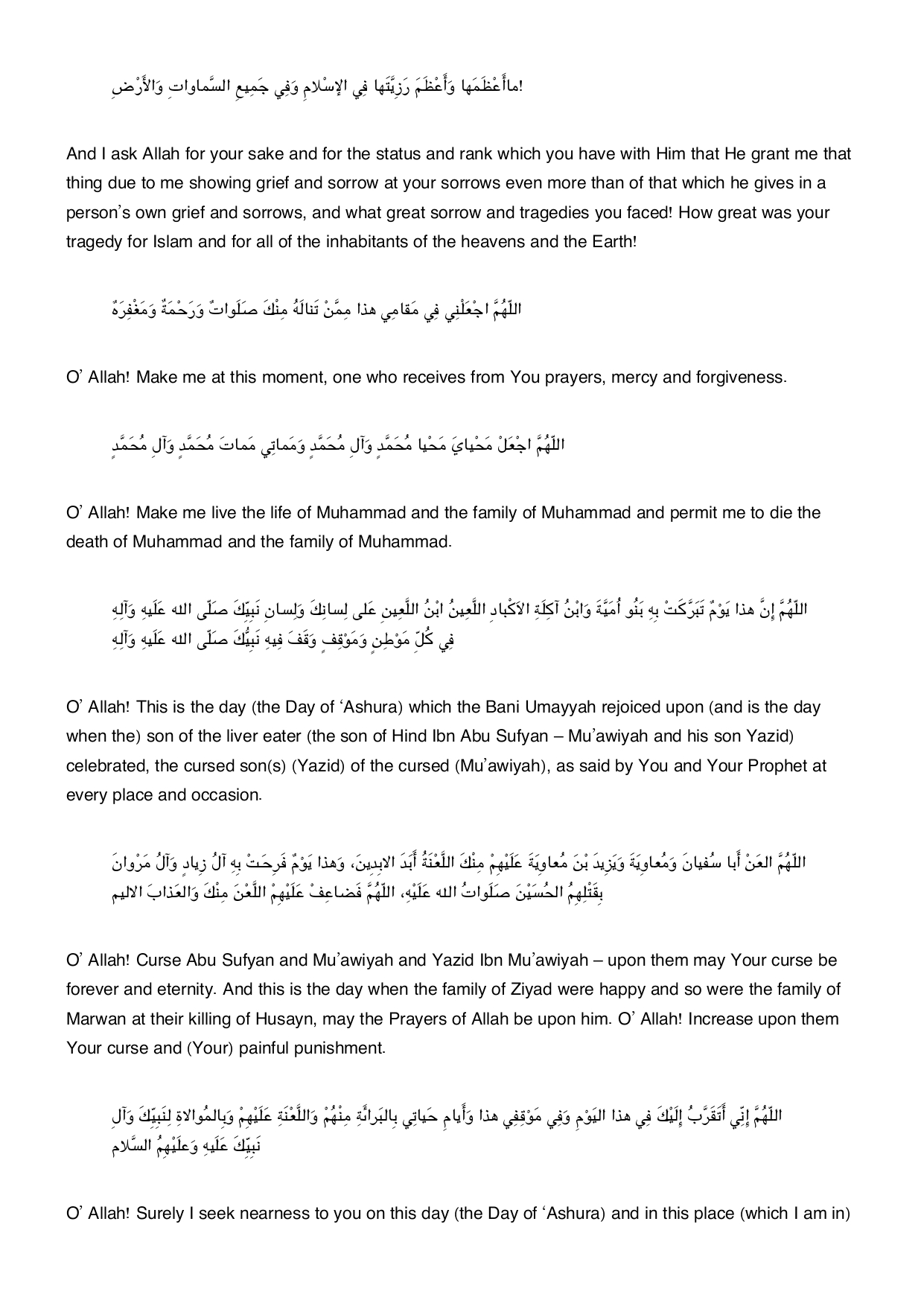
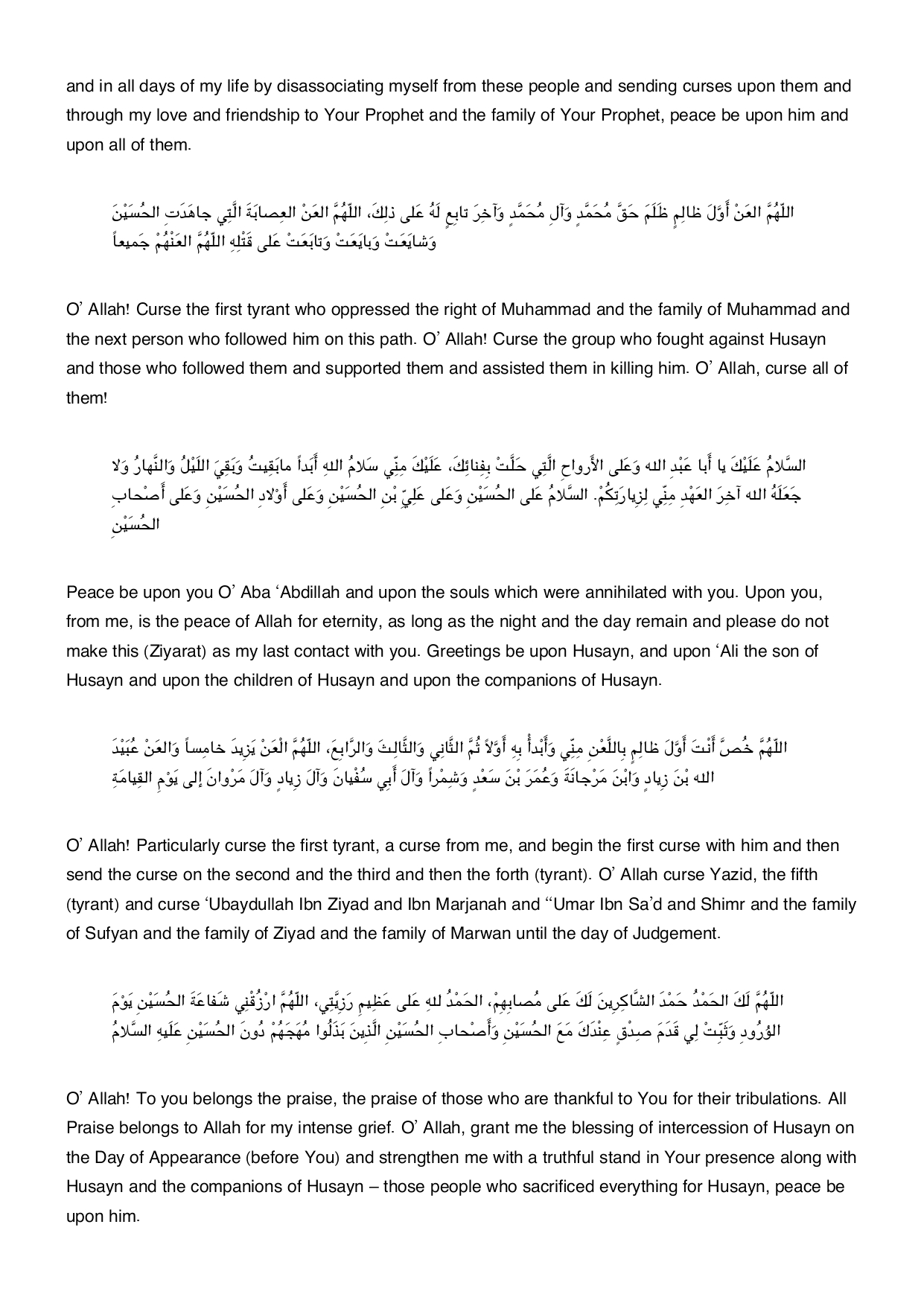
السَّلَامُ عَلَيْكَ يَا أَبَا عَبْدِ اللَّهِ، السَّلَامُ عَلَيْكَ يَا بْنَ رَسُولِ اللَّهِ، السَّلَامُ عَلَيْكَ يَا خِيَرَةَ اللَّهِ وَابْنَ خِيَرَتِهِ، السَّلَامُ عَلَيْكَ يَا بْنَ أَمِيرِ الْمُؤْمِنِينَ وَابْنَ سَيِّدِ الْوَصِيِّينَ السَّلَامُ عَلَيْكَ يَا بْنَ فَاطِمَةَ سَيِّدَةِ نِسَاءِ الْعَالَمِينَ، السَّلَامُ عَلَيْكَ يَا ثَارَ اللَّهِ وَابْنَ ثَارِهِ، وَالْوِتْرَ الْمَوْتُورَ أَشْهَدُ أَنَّكَ قَدْ أَقَمْتَ الصَّلَاةَ، وَآتَيْتَ الزَّكَاةَ، وَأَمَرْتَ بِالْمَعْرُوفِ، وَنَهَيْتَ عَنِ الْمُنْكَرِ، وَأَطَعْتَ اللَّهَ وَرَسُولَهُ حَتَّى أَتَاكَ الْيَقِينُ
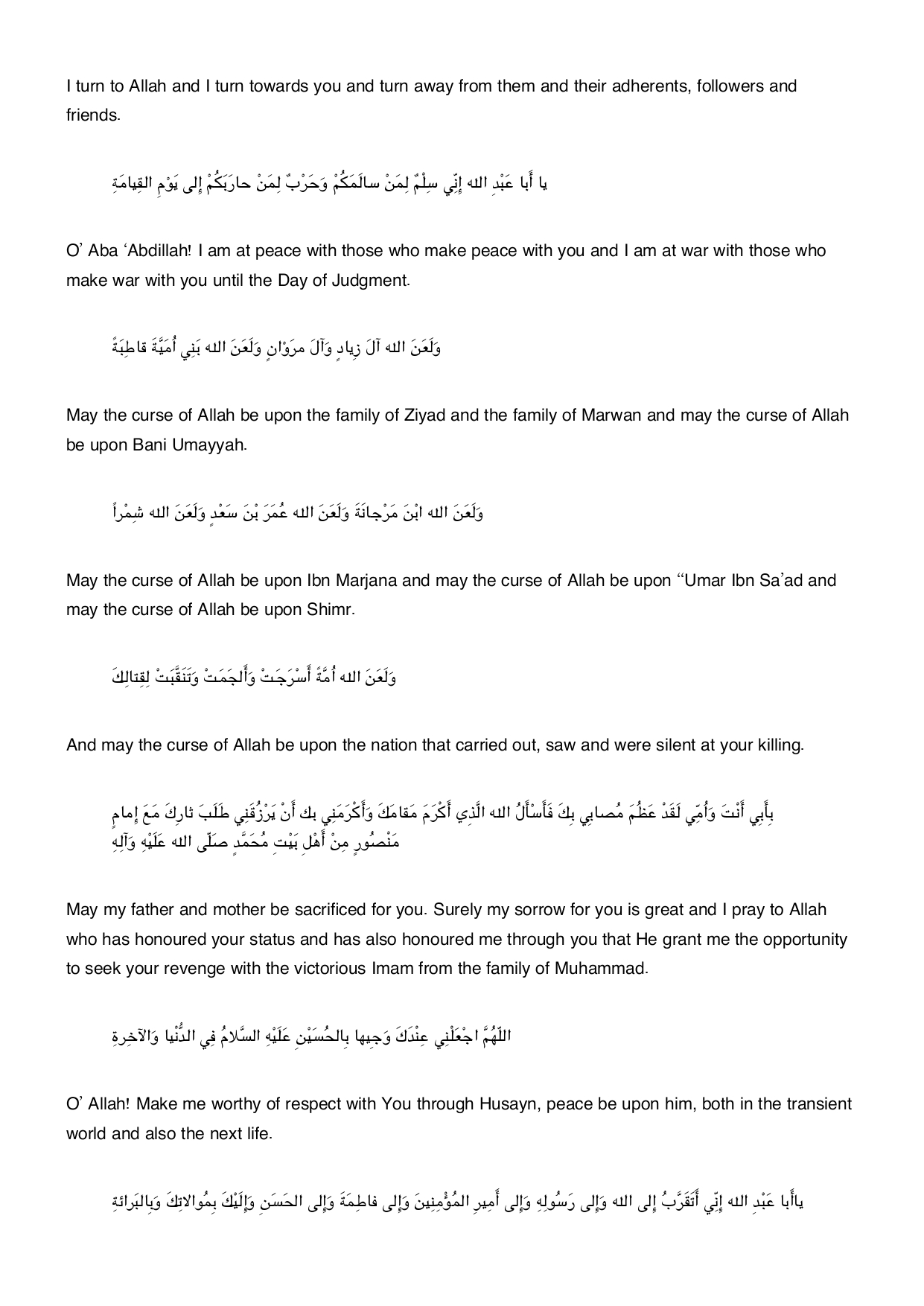
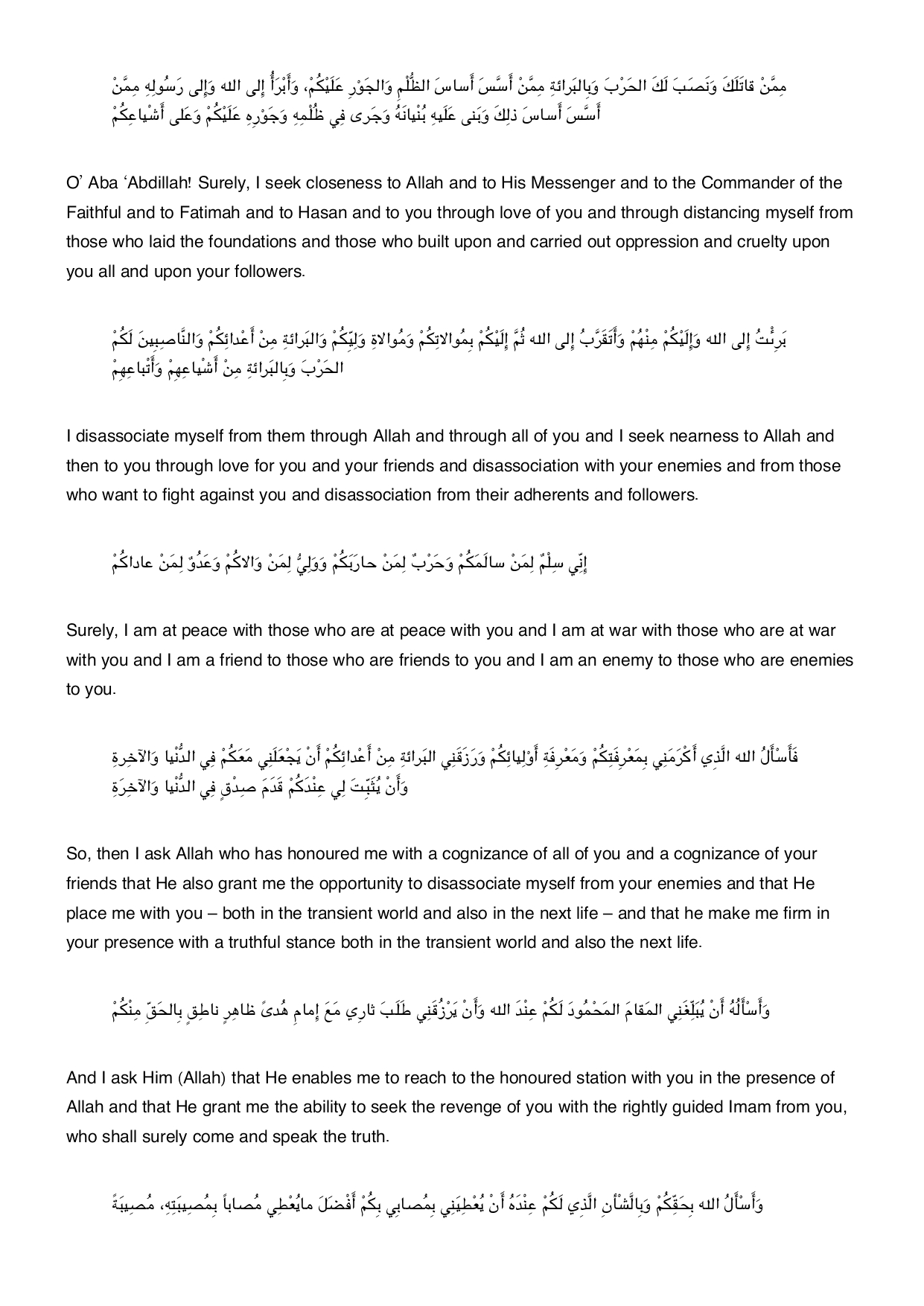
أَشْهَدُ أَنَّكَ إِمَامٌ بَرٌّ تَقِيٌّ، رَضِيٌّ زَكِيٌّ، هَادٍ مَهْدِيٌّ، وَأَشْهَدُ أَنَّ الْأَئِمَّةَ مِنْ وُلْدِكَ كَلِمَةُ التَّقْوَى، وَأَعْلَامُ الْهُدَى، وَالْعُرْوَةُ الْوُثْقَى، وَالْحُجَّةُ عَلَى أَهْلِ الدُّنْيَا فَلَعَنَ اللَّهُ أُمَّةً أَسَّسَتْ أَسَاسَ الظُّلْمِ وَالْجَوْرِ عَلَيْكُمْ أَهْلَ الْبَيْتِ، وَلَعَنَ اللَّهُ أُمَّةً دَفَعَتْكُمْ عَنْ مَقَامِكُمْ، وَأَزَالَتْكُمْ عَنْ مَرَاتِبِكُمُ الَّتِي رَتَّبَكُمُ اللَّهُ فِيهَا وَلَعَنَ اللَّهُ أُمَّةً قَتَلَتْكُمْ، وَلَعَنَ اللَّهُ الْمُمَهِّدِينَ لَهُمْ بِالتَّمْكِينِ مِنْ قِتَالِكُمْ، بَرِئْتُ إِلَى اللَّهِ وَإِلَيْكُمْ مِنْهُمْ وَمِنْ أَشْيَاعِهِمْ وَأَتْبَاعِهِمْ وَأَوْلِيَائِهِمْ
يَا أَبَا عَبْدِ اللَّهِ، إِنِّي سِلْمٌ لِمَنْ سَالَمَكُمْ، وَحَرْبٌ لِمَنْ حَارَبَكُمْ إِلَى يَوْمِ الْقِيَامَةِ، وَلَعَنَ اللَّهُ آلَ زِيَادٍ وَآلَ مَرْوَانَ، وَلَعَنَ اللَّهُ بَنِي أُمَيَّةَ قَاطِبَةً وَلَعَنَ اللَّهُ ابْنَ مَرْجَانَةَ، وَلَعَنَ اللَّهُ عُمَرَ بْنَ سَعْدٍ، وَلَعَنَ اللَّهُ شِمْرًا، وَلَعَنَ اللَّهُ أُمَّةً أَسْرَجَتْ وَأَلْجَمَتْ وَتَنَقَّبَتْ لِقِتَالِكَ بِأَبِي أَنْتَ وَأُمِّي، لَقَدْ عَظُمَتِ الرَّزِيَّةُ، وَجَلَّتْ وَعَظُمَتِ الْمُصِيبَةُ بِكَ عَلَيْنَا وَعَلَى جَمِيعِ أَهْلِ الْإِسْلَامِ، وَجَلَّتْ وَعَظُمَتْ مُصِيبَتُكَ فِي السَّمَاوَاتِ عَلَى جَمِيعِ أَهْلِ السَّمَاوَاتِ فَأَسْأَلُ اللَّهَ الَّذِي أَكْرَمَ مَقَامَكَ، وَأَكْرَمَنِي بِكَ، أَنْ يَرْزُقَنِي طَلَبَ ثَارِكَ مَعَ إِمَامٍ مَنْصُورٍ مِنْ أَهْلِ بَيْتِ مُحَمَّدٍ صَلَّى اللَّهُ عَلَيْهِ وَآلِهِ اللَّهُمَّ اجْعَلْنِي عِنْدَكَ وَجِيهًا بِالْحُسَيْنِ عَلَيْهِ السَّلَامُ فِي الدُّنْيَا وَالْآخِرَةِ
Muharram: The Month of Grief and Reflection
Muharram is the first month of the Islamic calendar. It is a month of remembrance, reflection, and grief. Throughout Muharram, believers recall the suffering and sacrifice of Imam Hussain (A.S.) and his companions. Ashura stands at the heart of this sacred month. Muharram encourages patience, moral awareness, and spiritual growth.

When is Ashura?
The date shifts every year on the Gregorian calendar. In the current Islamic year of 1447 AH, we have already passed the date. However, looking ahead to the upcoming Hijri year 1448 AH, the day will fall in late June. Specifically, for those asking when is ashura, it is expected to commence on the evening of June 25 and conclude on June 26 of the current calendar year.
Ashura in 2026
Many people are searching for Ashura in 2026.
In 2026, Ashura is expected to fall in late June or early July, depending on the sighting of the moon. The confirmed date will be announced closer to the time.
Muharram 2026 and Ashura Day
Muharram 2026 will mark the beginning of the new Islamic year. Ashura day will be observed on the tenth day of the month. Believers often prepare by increasing remembrance, supplication, and reflection during the early days of Muharram.
Is Today a Muslim Holiday?
Many people ask, is today a Muslim holiday, especially around Ashura.
Ashura is not a celebratory festival. It is a solemn day of remembrance and mourning. In some regions, it is observed publicly, while in others it is marked privately.
Why Ziyarat e Ashura Is Recited
Ziyarat e Ashura is recited to:
- Honor Imam Hussain (A.S.)
- Strengthen spiritual awareness
- Renew loyalty to justice
- Seek divine closeness
- Reflect on Karbala’s message
Many believers recite it daily for spiritual consistency.
Ziyarat ashura and Daily Life
The message of ziyarat ashura extends beyond recitation. It guides daily life by encouraging:
- Standing against injustice
- Remaining patient in hardship
- Acting with honesty
- Upholding moral values
- Avoiding compromise with falsehood
Karbala is not only remembered. It is alive.
Common Misunderstandings About Ashura
Some believe Ashura is only a historical event. In reality, Ashura is a living message.
Ashura represents:
- Moral resistance
- Conscious faith
- Responsibility
- Justice
- Truth
Understanding this preserves its true spirit.
How to Reflect on Ashura Day
On Ashura day, believers often:
- Recite Ziarat e Ashura
- Attend remembrance gatherings
- Reflect silently
- Increase supplication
- Renew commitment to Imam Hussain’s path
These actions strengthen spiritual awareness.
Why This Topic Matters Today
Search interest in Ziarat e Ashura, Ashura meaning, and Muharram 2026 continues to grow. In a world filled with injustice, the message of Karbala remains relevant. Ashura reminds believers to stand firm for truth, regardless of circumstances.
Benefits of Reciting Ziyarat e Ashura
The recitation of Ziarat e Ashura carries numerous spiritual benefits, including:
Strengthening love and loyalty to Imam Hussain (a.s.)
Spiritual purification and peace of heart
Renewed commitment to justice and truth
Hope for acceptance of supplications
Connection with the mission of Karbala
Many believers also recite Ziyarat Ashura consistently as a means of seeking relief from difficulties and gaining closeness to Allah.
Final Thoughts
Ashura is not only a supplication remembered once a year. It is a living reminder of justice, sacrifice, and moral responsibility. Through its words, the message of Karbala continues to speak to every heart that seeks truth and clarity. Understanding what Ashura is, the meaning of Ashura, and its connection with Muharram helps believers reflect more deeply on the values Imam Hussain (A.S.) stood for. These values are not limited to history. They remain relevant in everyday choices, struggles, and moments of silence.
What does Ashura mean?
Why is Ashura important in Islam?
Is fasting on Ashura mandatory?
Can women recite Ziyarat e Ashura?
How long does it take to recite ziyarat ashura?
Start Your Free Quran Class Trial Today!

Top Islamic Studies Courses Online: Shia Quran Tutors
When is Ramadan 2026? Expected Dates & Global Guide

Vital Secrets of Surah Waqiah for Daily Abundance

Reliable Online Quran Classes for Kids | ShiaQuranTutors

Blessed Jumma Mubarak Quotes: Heartfelt Friday Greetings

3 Responses